
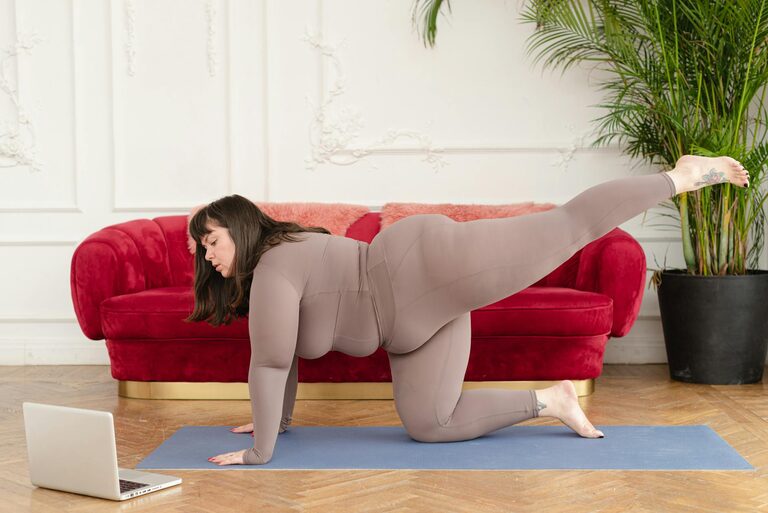
Stretching is a fundamental part of maintaining a healthy body and mind. Whether you’re looking to improve flexibility, reduce muscle tension, or simply create a calming routine, incorporating stretching at home is a great way to start. This beginner’s guide will walk you through the basics of stretching, including benefits, key stretches to try, and tips for creating a consistent routine.
Why Stretching Matters
Stretching isn’t just for athletes or those who practice yoga. It’s beneficial for everyone, no matter your age or activity level. Here are some of the key reasons to include stretching in your daily routine:
– Improves Flexibility: Regular stretching helps lengthen muscles and tendons, making your body more agile.
– Enhances Posture: Stretching tight muscles can help correct poor posture caused by prolonged sitting or improper alignment.
– Reduces Muscle Tension: It eases muscle stiffness and can reduce discomfort after long periods of inactivity.
– Increases Blood Flow: Stretching promotes better circulation, which speeds up recovery and boosts energy.
– Prevents Injury: By improving range of motion, stretching helps prepare muscles and joints for physical activity.
– Relieves Stress: Gentle stretches also promote relaxation and help reduce mental tension.
When to Stretch
You can stretch almost anytime, but here are some ideal moments:
– After Waking Up: Gentle stretching helps wake up your muscles and reduces morning stiffness.
– Before Exercise: Use dynamic stretches (moving stretches) to warm up your body and prepare muscles.
– After Exercise: Perform static stretches (holding a stretch) to cool down and improve flexibility.
– During Work Breaks: Short stretching breaks during the day can relieve tension from sitting or standing too long.
Essential Stretching Tips for Beginners
Starting a stretching routine at home is simple, but keeping these tips in mind can improve your experience and reduce the risk of injury:
- **Warm Up First:** Before deep stretching, warm your body with light activity, like walking or marching in place, for 5 minutes.
- **Stretch Both Sides:** Always stretch both sides of your body evenly to maintain balance.
- **Hold, Don’t Bounce:** Hold each stretch steadily for 20–30 seconds without bouncing, which can cause muscle strain.
- **Breathe Deeply:** Inhale and exhale slowly during stretches to enhance relaxation.
- **Listen to Your Body:** Stretch to the point of gentle tension, never pain.
- **Be Consistent:** Aim to stretch at least 3–4 times per week for best results.
- **Use Comfortable Clothing:** Wear loose clothes that allow for easy movement.
Basic Stretches to Try at Home
Here are some beginner-friendly stretches that target major muscle groups:
1. Neck Stretch
– Sit or stand tall.
– Slowly tilt your head to one side, bringing your ear toward your shoulder.
– Hold for 20 seconds and switch sides.
– This stretch relieves neck tension from screen time or stress.
2. Shoulder Stretch
– Bring your right arm across your chest.
– Use your left hand to gently press your arm closer to your chest.
– Hold for 20–30 seconds, then switch arms.
– Helps loosen tight shoulders and upper back.
3. Cat-Cow Stretch (Spine Mobility)
– Get on your hands and knees in a tabletop position.
– Inhale, arch your back, lifting your tailbone and chest (Cow pose).
– Exhale, round your spine upward, tucking your chin toward your chest (Cat pose).
– Repeat 5–10 times.
– Encourages spinal flexibility and eases back tension.
4. Seated Hamstring Stretch
– Sit on the floor with one leg extended straight.
– Bend the other leg so the sole of your foot touches your inner thigh.
– Reach toward your toes on the extended leg, keeping your back straight.
– Hold for 20–30 seconds and switch legs.
– Stretches hamstrings and lowers back.
5. Standing Quadriceps Stretch
– Stand tall and hold onto a chair or wall for balance.
– Bend one knee and bring your heel toward your buttocks.
– Grab your ankle with the same-side hand and gently pull.
– Hold for 20–30 seconds and switch legs.
– Helps stretch the front of the thigh.
6. Child’s Pose
– Kneel on the floor and sit back onto your heels.
– Stretch your arms forward, forehead resting on the floor.
– Hold for as long as comfortable.
– A relaxing stretch for the back, hips, and shoulders.
Creating a Stretching Routine at Home
Here’s a simple plan to get you started:
- **Set a Time:** Choose a consistent time of day that fits your schedule.
- **Choose Your Stretches:** Pick 5–6 stretches focusing on major muscle groups.
- **Warm Up Briefly:** Start with light movement.
- **Stretch Slowly:** Hold each stretch 20–30 seconds on both sides.
- **Cool Down:** Finish with some deep breathing or a relaxing pose.
- **Track Progress:** Note any changes in flexibility or comfort to stay motivated.
Helpful Tools for Home Stretching
While stretching mostly needs just your body, these tools can enhance your practice:
– Yoga Mat: Provides cushioning and grip.
– Stretch Strap or Towel: Useful for deeper stretches.
– Foam Roller: Helps release muscle tightness before or after stretching.
– Comfortable Clothing: Choose breathable, stretchy fabrics.
Final Thoughts
Stretching at home is an accessible, effective way to nurture your body and mind. By starting small and staying consistent, you’ll notice better flexibility, less tension, and improved movement over time. Remember, the key is to listen closely to your body and enjoy the process.
Ready to get moving? Try incorporating these beginner stretches into your day and feel the difference stretching can make!